


Marriage in Crisis? Here’s What the Bible Says About Conflict
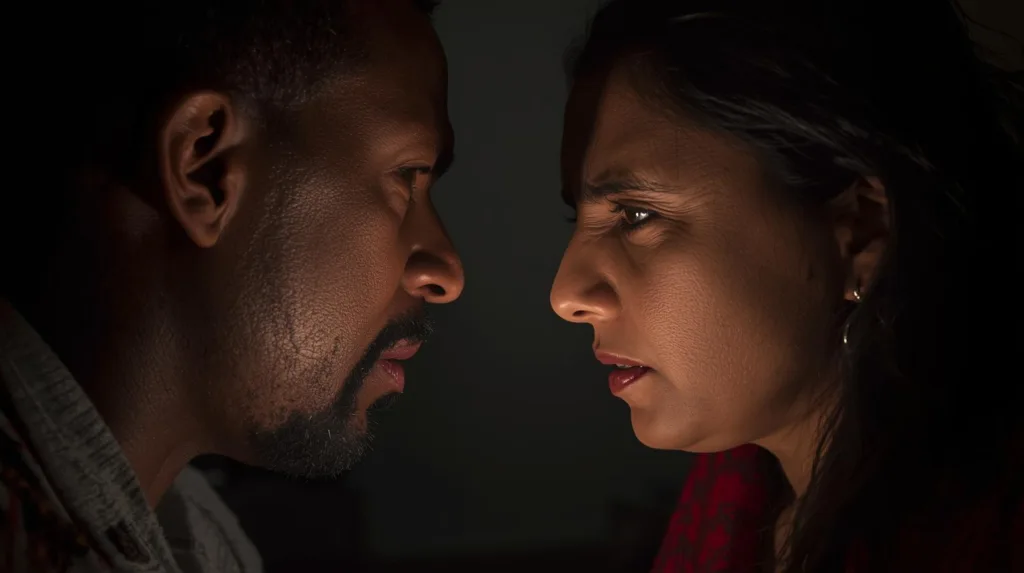
Marriage is one of God’s most beautiful gifts, but it is also one of the places where conflict can become deeply painful. Two people with different personalities, habits, and expectations will not always agree, and when stress, poor communication, or unresolved hurt enters the relationship, the marriage can begin to feel like it is in crisis. The good news is that the Bible does not ignore conflict in marriage; instead, it gives couples wisdom, direction, and hope for healing.
Conflict does not automatically mean a marriage is failing. In many cases, it reveals where communication needs to improve, where forgiveness is needed, or where a couple must learn to rely more fully on God. Scripture shows that marriage is meant to reflect love, sacrifice, grace, and unity, and when conflict threatens that unity, God’s Word provides a path forward.
What the Bible Says About Marriage Conflict
The Bible is honest about human weakness. It never pretends that marriage will always be easy or that husbands and wives will never disagree. Many biblical principles assume that people will face tension, offense, and misunderstanding, which is why Scripture repeatedly calls believers to humility, patience, self‑control, and forgiveness.
One of the most important truths is that conflict itself is not the greatest danger; the real danger is how conflict is handled. Anger that is allowed to grow can harden hearts, pride can keep both spouses from apologizing, harsh words can wound deeply, and silence can create distance that becomes harder to repair over time. The Bible teaches couples not only to love one another but also to pursue peace actively and intentionally.
Ephesians 4:26 gives a practical instruction: “Do not let the sun go down while you are still angry.” This does not mean every issue must be solved in one evening, but it does mean anger should not be cherished or allowed to become bitterness, especially within marriage. God cares about what happens in the quiet moments after the argument just as much as He cares about the argument itself.
Real Examples of Marriage Conflict in the Bible
The Bible not only gives commands; it also shows real couples who struggled. Their stories can help modern couples see that God understands marital tension and can work even in broken situations.
In Genesis 16, Sarah gives her servant Hagar to Abraham to bear a child because she is discouraged by her own barrenness. Once Hagar becomes pregnant, tension explodes: Sarah feels despised, Abraham feels caught in the middle, and the household is filled with jealousy and hurt.
Jacob and Rachel
In Genesis 30, Rachel is deeply distressed that she cannot have children while her sister Leah has already borne several. She cries out to Jacob, “Give me children, or I’ll die!” and Jacob responds in anger, saying, “Am I in the place of God, who has kept you from having children?” This moment shows how infertility, disappointment, and frustration can overflow into harsh words and blame inside a marriage.
Jacob and Rachel’s conflict illustrates that even couples who truly love one another can lash out when they are carrying unspoken grief and unmet desires. It reminds modern spouses that pain must be brought to God honestly instead of turned against each other.
Isaac and Rebekah
In Genesis 27, Isaac and Rebekah become divided over their sons, Esau and Jacob. Isaac favors Esau, while Rebekah favors Jacob, and instead of working together, Rebekah secretly coaches Jacob to deceive his father to receive the blessing. This creates deep conflict, not only between brothers, but also within the marriage, because husband and wife are no longer acting in unity.
Isaac and Rebekah’s story shows how hidden plans, divided loyalties, and a lack of honest communication can fracture trust in a home. When spouses stop moving as one and start acting against each other, conflict is inevitable.
These biblical examples prove that marital conflict is not a modern invention; it has existed as long as marriages have existed, but God remained present and sovereign even in those difficult situations.
Why Conflict Becomes So Painful
Marriage conflict often hurts more than other disagreements because it touches the most vulnerable parts of life. A spouse is not just a roommate or acquaintance; they are a covenant partner, so words and actions carry deeper emotional weight. A careless comment about finances, intimacy, parenting, or respect can linger for days or even years.
Conflict becomes especially painful when it is repeated. The same issue resurfacing again and again can make a couple feel stuck and hopeless, and each new argument adds another layer of disappointment. Over time, the real issue may no longer be the original problem but the accumulation of resentment.
Many couples also enter marriage with unrealistic expectations. Some assume love will erase all disagreement, while others expect their spouse to know what they need without ever expressing it. Biblical wisdom, however, encourages honest communication and patient understanding, not mind reading or perfection.
Key Bible Verses That Speak to Conflict
Several passages offer strong direction for couples facing tension. These verses comfort, correct, and guide.
-
Ephesians 4:26–27 – Teaches believers to deal with anger quickly and warns against giving the devil a foothold through unresolved resentment.
-
Colossians 3:12–14 – Urges believers to clothe themselves with compassion, kindness, humility, gentleness, and patience, and to forgive as the Lord forgave them, which is essential in marriage.
-
Proverbs 15:1 – Reminds us that a gentle answer turns away wrath, but a harsh word stirs up anger, making tone a key factor in marital conversations.
-
James 1:19–20 – Calls believers to be quick to listen, slow to speak, and slow to become angry, wisdom that directly applies to heated marital moments.
-
1 Peter 3:7 – Instructs husbands to treat their wives with understanding and honor, connecting the quality of marital treatment to spiritual life.
These verses highlight that a biblical marriage conflict response depends on grace, gentleness, and a willingness to forgive, not on winning arguments.

Common Causes of Marital Conflict
While every couple is different, many marriages face similar pressure points.
-
Communication problems – Misunderstandings, defensiveness, and poor listening often fuel arguments more than the issue itself.
-
Unmet expectations – When expectations around roles, intimacy, parenting, or emotional support are not clearly communicated, disappointment grows.
-
Financial stress – Debt, job loss, or conflicting financial priorities are a major source of tension in Christian marriages.
-
Lack of forgiveness – Old wounds that are never addressed can poison current interactions and shape the entire tone of a relationship.
-
Spiritual drift – When couples drift away from prayer, Scripture, and fellowship, it becomes easier to respond in the flesh rather than in the Spirit.
Recognizing these patterns helps couples identify where change is needed.
How to Handle Conflict Biblically
Biblical conflict resolution begins with humility. Both spouses must be willing to examine their own hearts before pointing at the other person. Jesus calls His followers to remove the plank from their own eye before addressing the speck in someone else’s eye, which certainly applies inside marriage.
-
Pause and pray – When emotions are high, it is wise to stop and ask God for calm, wisdom, and restraint. Prayer invites God into the conversation instead of pushing Him to the side.
-
Listen carefully – Many conflicts escalate because one or both spouses feel unheard. Listening does not mean total agreement, but it does mean giving space for the other person’s perspective.
-
Speak truthfully but gently – Scripture calls believers to speak the truth in love, not in cruelty. Phrases like “I felt hurt when…” are healthier than accusations that attack character.
-
Repent where necessary – Sometimes conflict exposes pride, selfishness, or harshness. Biblical marriage requires a willingness to say, “I was wrong. Please forgive me.”
-
Choose forgiveness – Forgiveness does not erase consequences, but it refuses to weaponize past sins. It frees the heart from bitterness and reflects God’s forgiveness toward us.
In this way, a biblical marriage conflict can become an opportunity for spiritual growth instead of just another painful episode.
What Forgiveness Really Means in Marriage
Forgiveness in marriage is one of the hardest, yet most powerful, acts of obedience. It does not mean pretending the hurt did not matter or instantly restoring trust without any process. Instead, forgiveness is a decision to release the right to keep rehearsing the offense and using it as a weapon.
Biblical forgiveness means acknowledging the pain honestly, but then choosing to place the situation in God’s hands. Over time, as trust is slowly rebuilt through consistent behavior, the relationship can be restored in deeper ways than before. This kind of mercy reflects the gospel and keeps the marriage from being defined only by failure.
Forgiveness is especially powerful because it reflects the heart of the gospel. Every believer has been forgiven much by God. That reality should shape how spouses treat one another. A marriage marked by mercy is stronger than one marked by constant scorekeeping.
When Conflict Is a Warning Sign
Not every disagreement signals danger, but some patterns do. When a marriage is filled with constant contempt, manipulation, intimidation, emotional abuse, or repeated betrayal, these are serious warning signs that require help. Scripture calls for love, honor, and sacrificial care, not fear and control.
In such situations, wise pastoral support, professional counseling, and, when necessary, protective boundaries are essential. God does not require anyone to remain in an unsafe environment; He values truth, justice, and safety. Even where there is no abuse, persistent cycles of hostility, stonewalling, or repeated unfaithfulness signal the need for outside help.
What Restoration Can Look Like
Restoration does not always happen overnight. In many marriages, healing is gradual. It may begin with a calmer conversation, a sincere apology, or a shared decision to pray together again. Sometimes restoration starts with one spouse changing their response, which softens the entire atmosphere.
A restored marriage is not one that never disagrees. It is one that learns how to disagree without destroying each other. It is a relationship where both people are committed to truth, grace, repentance, and growth. Over time, that kind of marriage becomes a testimony of God’s power to heal what seemed broken.
Restoration also requires consistency. One meaningful conversation is good, but lasting change comes from repeated acts of kindness, patience, confession, and faithfulness. Small choices matter: listening without interrupting, speaking respectfully, serving one another, praying together, and refusing to let bitterness take root.
Practical Steps for Couples Today
You can encourage your readers to start small but intentional:
-
Pray together before discussing hard topics.
-
Set aside time to talk without phones or television.
-
Practice listening all the way through before responding.
-
Refuse insults, sarcasm, or threats during conflict.
-
Take responsibility quickly when you are wrong.
-
Choose forgiveness daily, even as emotions catch up over time.
-
Seek godly counsel if the same issue repeats constantly.
-
Rebuild spiritual connection through Scripture, prayer, and worship together.
These choices may seem simple, but they can change the spiritual climate of the home over time.
A Word of Hope for Marriages in Crisis
If your marriage feels strained or even shattered, you are not beyond God’s reach. The same God who saw Abraham and Sarah’s tension, Jacob and Rachel’s grief, and Isaac and Rebekah’s division still sees you today. He specializes in bringing peace where there has been conflict and hope where there has been despair.
God cares deeply about your marriage. He sees the arguments, the silence, the disappointment, and the longing for change, and He invites both spouses to bring their pain to Him. When a marriage is surrendered to God, there is always hope for transformation, even if the process is slow.
Closing Prayer
Lord, bring Your peace into our marriage. Teach us to speak with kindness, listen with humility, and forgive as You have forgiven us. Heal every wound, uproot bitterness, and restore trust where it has been broken. Help us to handle conflict in a way that honors You and draws us closer together instead of pulling us apart. In Jesus’ name, amen.