
3 Things Parents Should Know About Wicked: For Good Before Letting Their Kids Watch it
Imagine your child comes home buzzing about the latest big movie hit—Wicked: For Good. Friends at school are talking nonstop about the songs, the green witch, and the dazzling world of Oz. You feel that pull to say yes, but a quiet voice inside whispers, "Wait—what's really in this film?" As parents, we want fun family moments, but we also guard our kids' hearts. This guide breaks down three key things to know from a Christian viewpoint, so you can decide with wisdom and peace
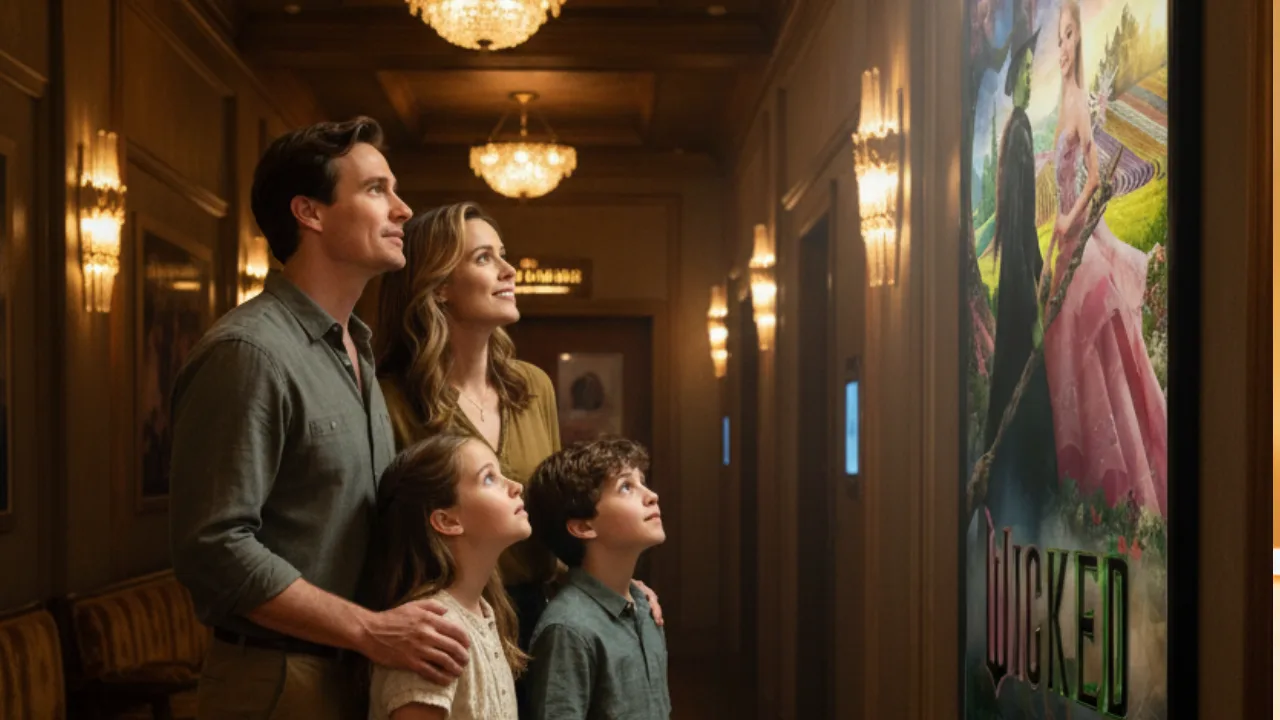
Thing 1: What Christian Parents Should Know About Magic and Darkness in Wicked"
Wicked: For Good picks up where the first Wicked left off. Elphaba, the green-skinned girl labeled the Wicked Witch, hides in the woods fighting for animal rights. Her old roommate Glinda now shines as the Wizard's spokesperson, engaged to Fiyero, who leads the palace guards hunting Elphaba. Old friendships clash with new loyalties as Dorothy's house crashes into Oz, stirring up mobs and big changes.
This part gets darker fast. Expect more intense fights, dark spells from a magic book, and scenes where Elphaba chants incantations to free animals or cast spells. Flying monkeys chase characters, and there's property damage from uncontrolled magic. One review notes the last half-hour ramps up tension with battles that might scare younger kids under 10. Parents report the transformed monkeys could spark nightmares for sensitive children.
From a Christian lens, this raises flags. The Bible warns against witchcraft and sorcery, calling them detestable to God (Deuteronomy 18:10-12).
what the Bible says about witchcraft."
Link to: https://www.gotquestions.org/Bible-witchcraft.html
"Wicked for good Christian parents involves understanding the deeper spiritual themes that may influence young hearts."
Elphaba's powers look cool, but they model turning to magic over faith in a higher power. Kids might cheer her "good" spells, yet Scripture reminds us true power comes from God alone, not spells or hidden books (Acts 8:9-24). Talk to your child: Does magic solve problems God's way, or does it pull us from trusting Him?
biblical perspective on witchcraft," or "learn more about what the Bible says at https://www.gotquestions.org/Bible- witchcraft.html.
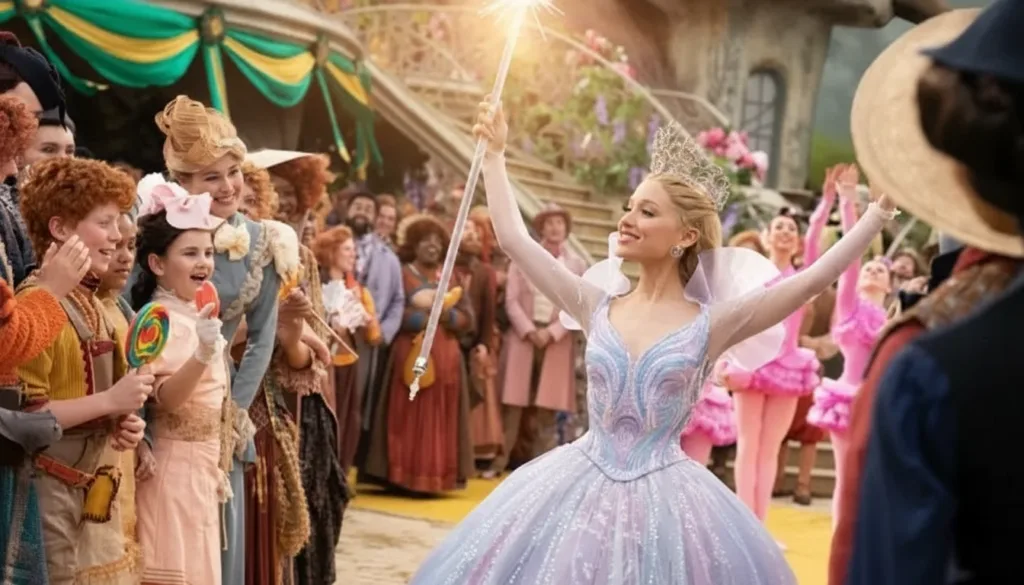
New Thing 2: How Wicked Shapes Identity, Shame, and Worth
Wicked: For Good tells the story of a girl who grows up believing she is “wrong” because of how she looks and what people say about her. Elphaba is rejected by her father, mocked by classmates, and labeled “wicked” by an entire nation, even when she is trying to do the right thing. Many reviewers point out that the film is full of shame, rejection, and questions like, “Am I really as bad as they say I am?”
This is a powerful doorway for parents. So many children secretly wrestle with feeling “too different,” “too much,” or “not enough.” In the film, Elphaba starts to believe the labels the world gives her. In real life, our kids face the same battle with labels from social media, school, and even family. Scripture, however, tells a different story: we are fearfully and wonderfully made by God (Psalm 139:13-14), and our true identity is found in Christ, not in our appearance, abilities, or other people’s opinions (Ephesians 1:4-6). Use the movie to ask, “Who is telling you who you are—God’s Word or other voices?”
There is also a subtle lie about shame in the story. Elphaba feels deep shame because of things she cannot control (her skin, her past, her family), and shame pushes her into isolation and anger. Some Christian commentators note that this mirrors how shame works in real life: it tells us to hide, to protect ourselves, and to build an identity around our pain. The Bible shows a better way. Adam and Eve hid when they sinned, but God came looking for them (Genesis 3:8-9). Jesus meets the woman at the well in her shame and offers living water instead of condemnation (John 4:6-18). Parents can gently ask, “When you feel ashamed, do you run away from God or to Him?”
Wicked: For Good also raises questions about where worth comes from. Elphaba’s value in Oz depends on how useful or acceptable she is to those in power. When she refuses to go along with injustice, they throw her away. Our culture often tells children that worth comes from success, talent, beauty, or popularity. But God tells us our worth comes from being made in His image (Genesis 1:27) and being loved enough that Christ died for us while we were still sinners (Romans 5:8). When your child sees Elphaba stand alone, you can connect it to biblical courage—like Daniel refusing to bow (Daniel 3:16-18)—and remind them that obedience to God matters more than being liked.
Finally, these verses, James 2:1-4 (do not show favoritism) and Romans 15:7 (welcome one another as Christ has welcomed you), come in very handy here. Ask your kids: “Who at school feels like Elphaba—left out, laughed at, or misunderstood? How can we show them Christlike love?” Those deeper heart conversations are far more important than whether they memorized every song in the movie. As wicked as good Christian parents consider this movie, questions of identity become central.
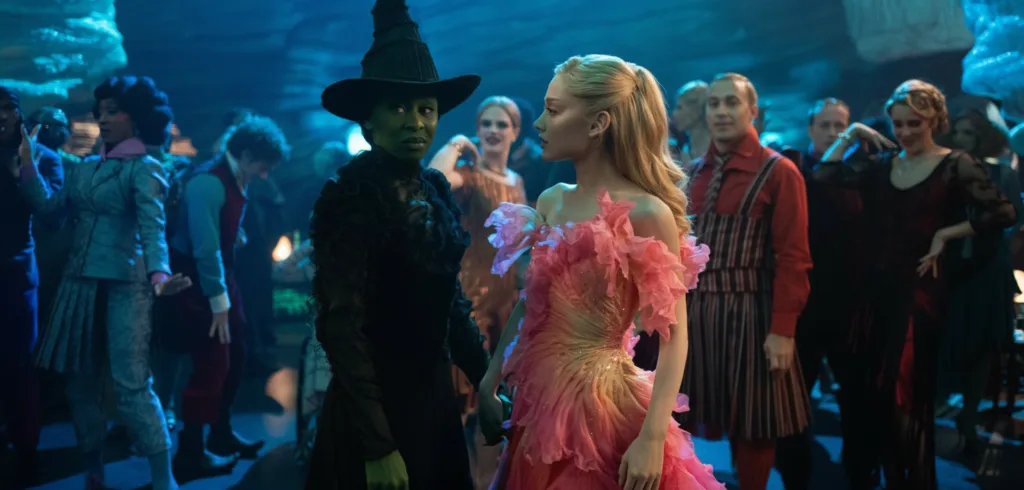
Thing 3: Themes Blur Good, Evil, and Truth
At heart, Wicked: For Good questions what's "wicked." Elphaba does "good deeds" that backfire, leading her song "No Good Deed," where she doubts her motives. The Wizard and Madame Morrible spread lies, painting Elphaba as evil while hiding their power grabs. Glinda wrestles with a life "built on lies." The theme song asks, "Who can say if I've been changed for the better?" pushing relative truth.
This postmodern vibe says truth depends on perspective—Oz's "truth" about the witch flips. But characters can't live it out; Elphaba calls the Wizard's lies just that—lies. Biblical truth stands firm: Jesus is "the way, the truth, and the life" (John 14:6). No relativism—good aligns with God's holy character (1 Peter 1:14-16). Evil isn't just bad luck; it's sin against God (Romans 3:23).
Parents love how it shows no one's perfect, opening doors to grace. Elphaba's sacrifices—like risking all for her sister or friends—reflect sacrificial love (John 15:13). Contrast with Nessarose enslaving Boq out of selfish "love." It teaches true goodness flows from God's Word, not guesses. One review calls it a redemption story, where Elphaba changes "for good" through friendship.
Kids might learn empathy, seeing bullies create outcasts. Elphaba's bullied past explains her anger, but Scripture says the origins of evil trace to the heart (Jeremiah 17:9). Use it to discuss the origins of sin and Jesus' redemption. Families note talks on beauty too—Fiyero calls Elphaba beautiful for her heart, not looks, aligning with 1 Peter 3:3-4 on inner beauty.
- Raising Godly Kids →
overcomingdaily.org/2024/09/22/raising-godly-kids-biblical-parenting-in-a-secular-culture/
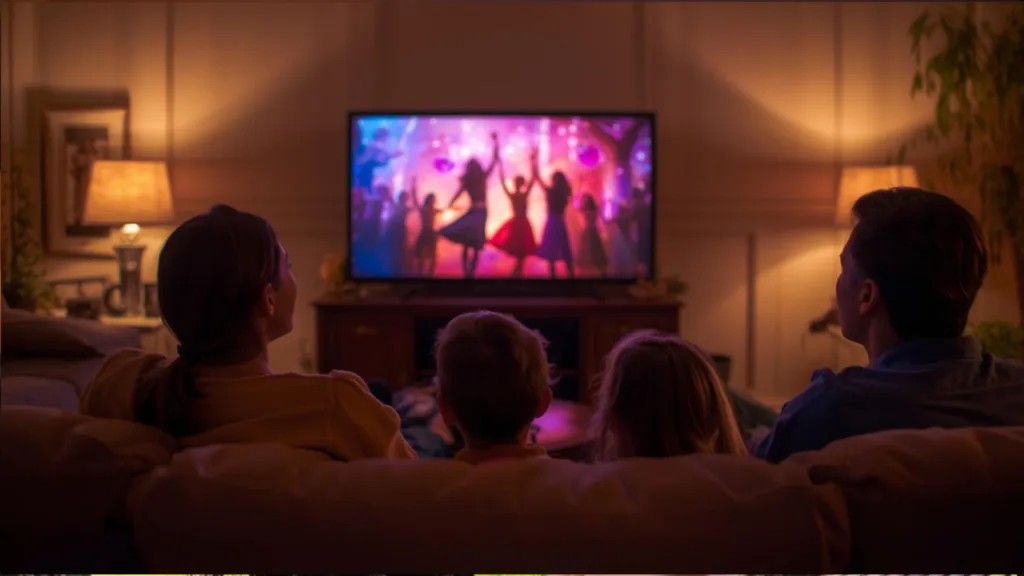
What Possible Lessons Can Our Kids Learn from Watching?
Even with cautions, Wicked: For Good offers teaching moments if parents lead. Kids grasp friendship's power—Elphaba and Glinda change each other forever, modeling loyalty amid trials (1 Samuel 18:1-3, like David and Jonathan). They see consequences of lies; the Wizard's deceit crumbles, affirming Psalm 101:7: "No one who practices deceit shall dwell in my house."
Oh goodness, Elphaba's failed deeds teach that motives matter—done without love, they're empty (1 Corinthians 13:1-3). Kids learn self-sacrifice: Elphaba frees animals, visits Glinda despite danger, and urges her not to clear her name for Glinda's good. This echoes Philippians 2:3-4: "Count others more significant than yourselves." Families share how it sparked prayer for "someone who needs Jesus' love," like outcasts.
Beauty lessons shine—true beauty reflects God's character through love, not just looks. Fiyero sees past Elphaba's green skin to her heart. Kids learn injustice hurts, prompting action like defending the voiceless (James 1:27). Yet, magic's allure warns against occult pulls (Galatians 5:19-21). Overall, it builds discernment: test everything against Scripture (1 Thessalonians 5:21).
Redemption threads through—Elphaba gets a second chance, choosing light. Share the Gospel: unlike Oz's flawed heroes, Jesus redeems perfectly (Ephesians 2:8-9). Kids learn no good deed saves us; grace does. Parents report stronger family bonds post-watch, with kids asking about truth and holiness
Wicked for good Christian parents must help children distinguish between fantasy entertainment and biblical truth."
Screen Time & Relationships → overcomingdaily.org/2023/08/09/the-impact-of-screens-on-parent-child-relationships-a-biblical-perspective
Can Wicked For Good Christian Parents Let Their Kids Watch?
Scripture urges believers to guard their hearts and minds. Pray first (James 1:5). Watch together, pause for Scripture. If the Holy Spirit prompts unease, skip it—obedience trumps culture (Romans 14:23). Many believers enjoy it as fantasy, using it to point to Jesus, the true Wizard who changes us for good (2 Corinthians 5:17). Your call, rooted in faith.
Christians can watch it, but wisdom and discernment are key here, and they should guide us (Philippians 1:9-10). Wicked: For Good isn't outright evil—its friendship and anti-bullying beats resonate with Christ's love for outcasts. Yet magic, romance, and truth-bending demand caution. Younger kids under 10 face intensity; older ones benefit from debriefs.
The decision for wicked for good Christian parents ultimately rests on prayer and discernment
Highlight: "Christian parenting resources"
Link to: https://www.focusonthefamily.com/parenting/